Weighted vest training means wearing an evenly loaded vest during walks, bodyweight moves, and conditioning to make everyday effort harder. The evidence-backed benefits are real but modest: roughly 10–12% more calories burned and improved cardio fitness over time. A vest won't build strength on its own, and its bone-health benefit depends on moving while you wear it. Start light — 5–10% of your bodyweight — and build up.
Weighted vests are everywhere right now, which means so is the hype. So let's cut through it: are weighted vests actually worth it? The short version is yes — with realistic expectations. Used well, weighted vest training is a simple, research-supported way to get more out of the movement you're already doing. Used as a miracle fat-burner or a substitute for real strength work, it'll disappoint you.
Below we cover what weighted vest training is, the benefits the evidence actually supports, how much weight to use, how it compares to rucking, and the workouts worth doing in one.
What is weighted vest training?
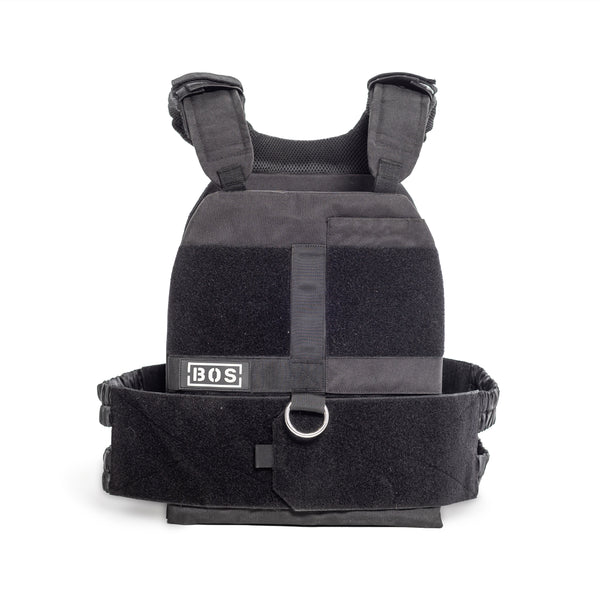
Weighted vest training is any activity you do while wearing a vest loaded with added weight — usually distributed evenly across your chest and back for a snug, balanced fit. That external load increases the demand on your muscles, heart, and lungs without changing how you move, which is what makes it so easy to add to a routine you already have.
Unlike holding dumbbells or carrying a pack, a vest keeps your hands free and the load centered over your torso. That makes it ideal for walking, rucking-style cardio, and bodyweight exercises like push-ups, squats, lunges, pull-ups, and dips — anywhere you'd like to add resistance without adding equipment.
What are the benefits of a weighted vest?
Here are the benefits of a weighted vest that hold up to scrutiny:
- More calories burned: Adding load raises the energy cost of the same activity — meaningfully, if modestly.
- Improved cardiovascular fitness: Training in a vest can push your VO2max up faster than the same workout without one.
- Harder bodyweight training: A vest adds resistance to push-ups, squats, lunges, pull-ups, and dips, extending how long bodyweight work stays challenging.
- Progressive overload for calisthenics: When bodyweight reps get easy, a vest is the simplest way to keep adding load.
- Convenience: Hands-free, balanced load you can wear on a walk, a ruck, or a full session — no rack required.
What the evidence says
The research on weighted vests is encouraging but more nuanced than most articles admit:
- Calorie burn is real but small. An ACE-commissioned study found a vest at ~15% of bodyweight burned about 12% more calories — for a short walk, that can be as little as ~17 extra calories.
- Cardio fitness improves. In a two-month study, people doing circuit training in a vest raised their VO2max significantly more than those training without one.
- It won't build strength by itself. Walking in a vest doesn't build muscle — that still requires heavier loads and higher intensity.
- Bone health depends on movement. The large Wake Forest INVEST trial found vests alone didn't prevent bone loss during weight loss in older adults; a 2026 follow-up found that more time standing and stepping in the vest was linked to better bone density. The takeaway: the vest helps bones only when you're moving in it.
Informational only, not medical advice. Talk to your doctor before starting weighted training if you have joint, back, or bone-health concerns.
How much weight should a weighted vest be?
The most common question in weighted vest training is also the easiest to get wrong. More is not better — too much load wrecks your form and stresses your joints and spine.
- Beginners: Start at 5% of your bodyweight. For a 180 lb person, that's about 9 lb.
- Walking / rucking-style cardio: 5–10% of bodyweight is the sweet spot for most people.
- Bodyweight strength work: Work up toward 10–15% as your form holds and the movements feel easy.
- Cap it: Most people should stay at or below 15% of bodyweight; going heavier rarely adds benefit and raises injury risk.
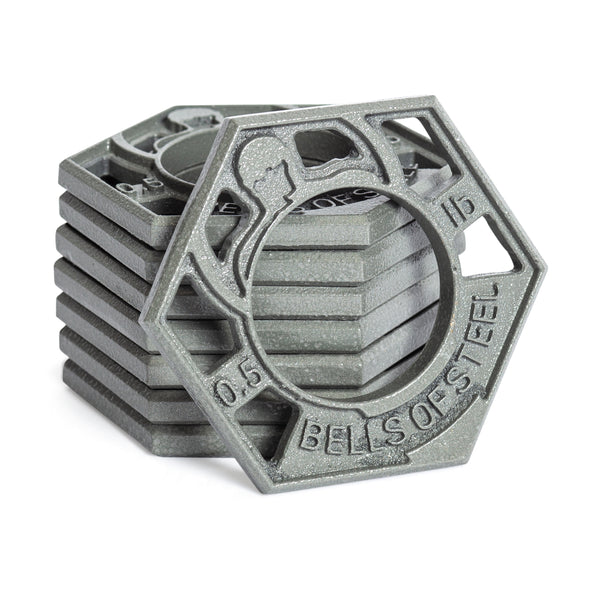
This is exactly why an adjustable vest matters: you want to add weight gradually as you adapt. Our weighted vest plate pairs let you dial the load in small steps rather than jumping all at once.
Weighted vest vs. rucking: which is better?
Both add load to walking, but they feel and function differently. The weighted vest vs. rucking question comes down to how the weight sits and what you're training for.
| Factor | Weighted Vest | Rucking (weighted backpack) |
|---|---|---|
| Load position | Centered over chest & back; balanced | On the back; pulls you slightly forward |
| Best for | Bodyweight training, running, all-around use | Long-distance walking & hiking under load |
| Posture demand | Neutral, upright | More posterior-chain / core bracing |
| Versatility | Push-ups, squats, pull-ups, dips, cardio | Mostly walking/hiking |
| Comfort over distance | Great for shorter, intense sessions | Better weight distribution for long miles |
Bottom line: choose a vest for versatility and bodyweight training; choose a ruck for long-distance loaded walking. Many people use both — a vest for workouts, a pack for weekend hikes.
Weighted vest workouts to try
Here are three weighted vest workouts that put the load to good use — pick based on your goal.
1. The Weighted Walk / Ruck
Wear 5–10% of your bodyweight and walk 20–45 minutes at a brisk pace, ideally with some hills. The simplest, most sustainable way to get the calorie-burn and cardio benefits. Keep standing and stepping — that's what makes it count.
2. Bodyweight Strength Circuit
With 10–15% of bodyweight, run 3–4 rounds: 10 push-ups, 15 squats, 8 lunges per leg, 5 pull-ups (or inverted rows), 30-second plank. Rest 60–90 seconds between rounds. Turns easy calisthenics back into a challenge.
3. Vest Conditioning Finisher
Cap any session with a 6–10 minute EMOM in your vest: alternate 10 air squats and 10 push-ups at the top of each minute, resting the remainder. Short, brutal, and a fast way to build work capacity.
Want to add unstable, real-world load on your strength days too? Pair vest work with a sandbag workout.

Weighted Vest and Plates
Our adjustable vest and its matching plate pairs, together on one page. Snug, balanced, and built for walks, cardio, and bodyweight training — add load in 5, 7.5, 10, or 20 lb pairs as you progress. The easiest way to start (and grow) your weighted vest training.
Starting from $91.96
Shop Weighted Vest & Plates
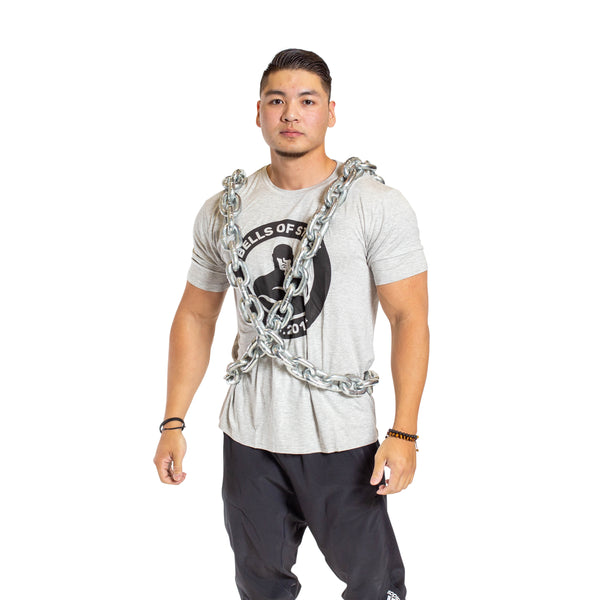
Chain Weight Vest
Drape-on chains that add 23 or 39 lb of load — a rugged, adjustable way to make bodyweight and conditioning work heavier. Great paired with the vest for serious sessions.
From $106.99
Shop Chain WeightsWeighted vest training FAQ
Are weighted vests worth it?
Yes, with realistic expectations. The evidence shows a vest adds roughly 10–12% to your calorie burn and can improve cardiovascular fitness over time. It's a convenient, effective upgrade to walking and bodyweight training — just not a shortcut to major fat loss or strength.
How much weight should a weighted vest be?
Start at about 5% of your bodyweight. Use 5–10% for walking and cardio, and work up toward 10–15% for bodyweight strength training. Most people should stay at or below 15% — heavier rarely helps and increases injury risk.
Do weighted vests build muscle?
Not on their own. Walking in a vest won't build strength or muscle, which require heavier loads and higher intensity. A vest does make bodyweight exercises like push-ups and squats harder, which can support strength when the load is challenging enough.
Are weighted vests good for bone density?
The research is mixed. A large trial found vests alone didn't prevent bone loss during weight loss in older adults, but follow-up research found that more standing and stepping while wearing a vest was linked to better bone density. In short: a vest may help bone health only when you're actively moving in it. Check with your doctor if bone health is a concern.
Is a weighted vest better than rucking?
Neither is universally better. A vest keeps the load centered and is more versatile for bodyweight training and running; a rucksack distributes weight for comfortable long-distance walking. Pick a vest for workouts and a ruck for long loaded hikes.
Can beginners use a weighted vest?
Absolutely — just start light (around 5% of bodyweight), keep sessions short at first, and add weight gradually as your form and conditioning improve. An adjustable vest or plate pairs make that progression easy.