Triceps make up a big chunk of the upper arm, yet they are often stubborn when it comes to growth. Many workouts look solid on paper but fall flat in practice. The problem usually comes down to isolation and comfort. When form slips or joints start to complain, the triceps stop doing the work they are supposed to do.
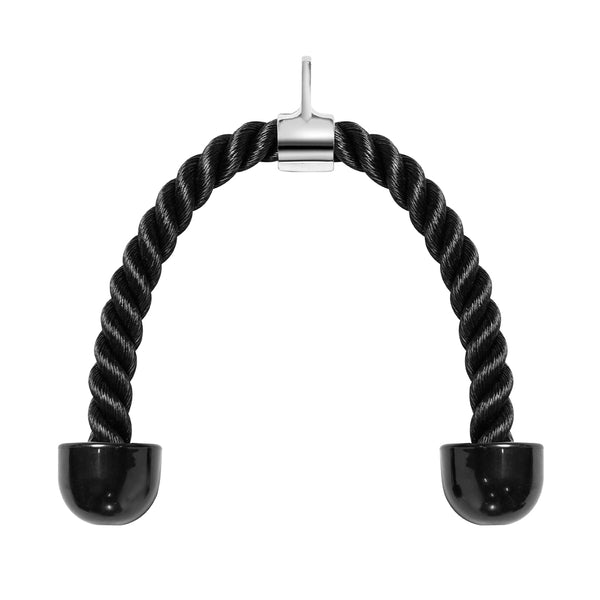
Traditional ropes and round tricep bars rely heavily on grip strength, which invites the forearms and shoulders to jump in and help. That might move the weight, but it shifts the effort away from the triceps. Over time, progress slows and frustration builds.
This is where a small change in design can make a big difference.
What Makes the Flat Iron Tricep Bar Different
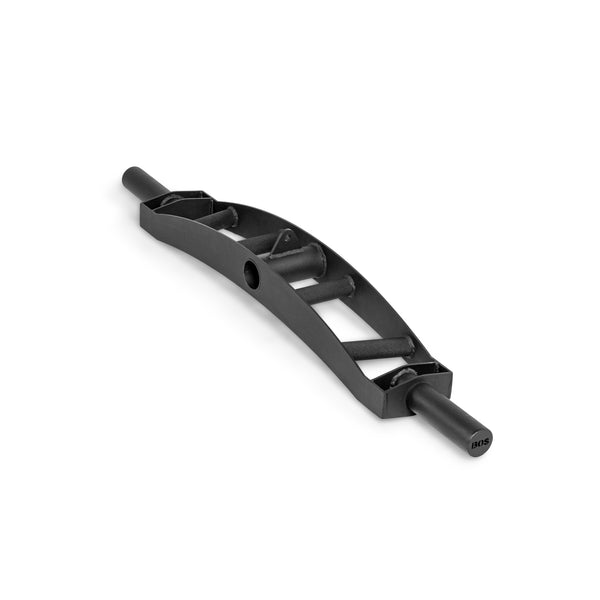
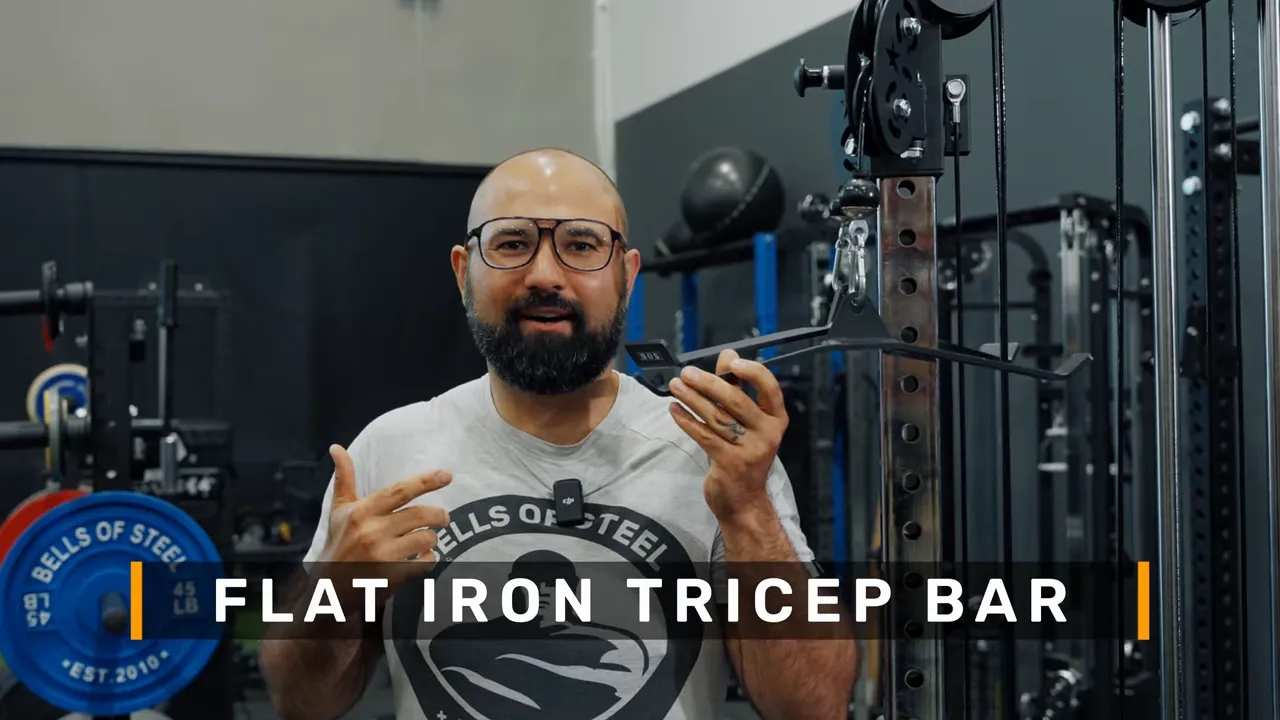
The Flat-Iron Tricep Press Cable Attachment takes a fresh approach with a palm-press design. Instead of wrapping the fingers around a handle, the palms press against a flat surface to drive the movement. This simple shift changes how the exercise feels and how the muscles work.
Here is why that matters:
Better tricep focus
Pressing through the palm limits help from the forearms and shoulders. The force travels directly through the triceps, which helps them do the bulk of the work.
Less stress on wrists and elbows
The flat surface keeps the wrists and elbows in a more natural position. Compared to ropes or round bars, this setup often feels smoother and more joint-friendly.
Form that fixes itself
The shape of the bar encourages a true pressing motion. It becomes harder to yank the weight down or turn the movement into a pull. In short, the bar guides the body into better form.
Easy to learn
Without the need to grip tightly, beginners can focus on feeling the triceps contract. That makes it easier to build good habits early on.
More than just triceps
With the right setup, this bar can also be used for biceps movements and even lat-focused exercises like pullovers. One tool, multiple uses.
Many users describe it simply as a tool that forces better form and better muscle engagement. Sometimes the best coaching comes from the equipment itself.
How to Use the Palm-Press Design Correctly
Using the Flat-Iron Tricep Bar is straightforward, but a few cues help unlock its full benefit. Start by placing the soft, flat part of the palm on the bar. Keep the fingers relaxed and avoid wrapping them around the edge.
During the movement, keep the elbows close to the body. Press the bar down or back depending on the exercise, then return slowly to the starting position.
Key cues to remember:
- Keep elbows pinned to the sides to limit shoulder involvement
- Press with the palms and keep fingers loose
- Control the weight on the way back up to increase time under tension
This approach turns each rep into a focused tricep effort instead of a full-arm tug of war.
Exercises and Variations to Try
The Flat-Iron Tricep Press Cable Attachment is simple, but it opens the door to several effective movements.
Tricep pushdowns
This is the main event. Use a cable machine and press the bar down until the arms fully extend. Pause briefly, then return under control.
Narrow pressdowns
Bring the hands closer together to shift emphasis toward the inner portion of the triceps. This variation works well with lighter weights and higher reps.
Biceps movements
Flip the orientation and use the flat surface during curls. This changes forearm involvement and can add variety to arm days.
Lat pullovers
With the longer version of the bar, pullover-style movements become an option. The palm press helps keep the motion smooth and controlled.
Choosing the Right Size: Short or Long
The Flat-Iron Tricep Press Cable Attachment comes in two lengths, and each serves a slightly different purpose.
Short bar
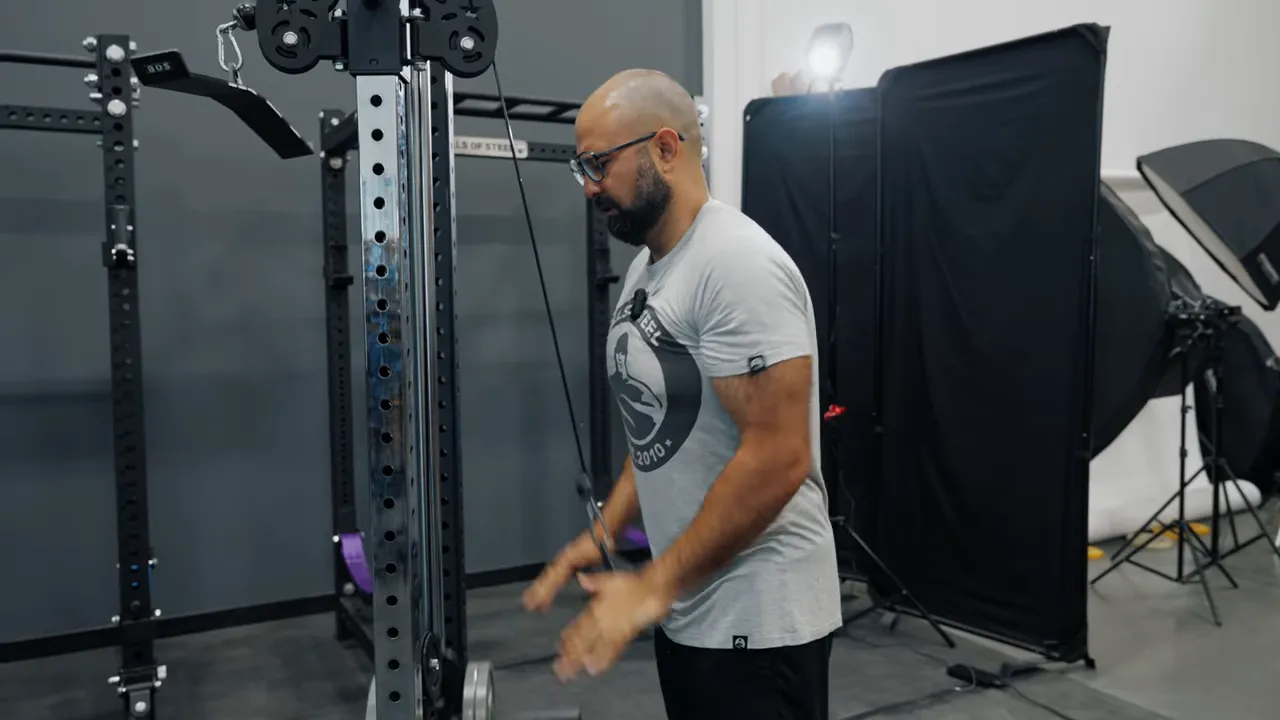
This version shines for strict tricep work. The narrower spacing helps keep the movement tight and controlled. The curved edge also sits comfortably against the palm, which helps prevent hand shifting during heavier sets.
Long bar
The longer option offers more flexibility. Wider hand positions, extra stability, and more room for variations make it a good choice for users who want to mix tricep work with lat pullovers or wider pressdowns.
Both versions get the job done. The right choice depends on whether the goal is pure tricep focus or added versatility.
Simple Programming Ideas
Adding the Flat-Iron Tricep Bar to a routine does not require a full program overhaul. It fits easily into existing workouts.
For strength, use heavier loads with lower reps in the four to eight range. Focus on steady control rather than speed.
For muscle growth, moderate weight and reps between eight and fifteen work well. Slow down the lowering phase to increase tension.
For a finisher, drop the weight and aim for higher reps at the end of a workout. This is a great way to fully fatigue the triceps after pressing movements.
Final Thoughts
Tricep training does not have to be complicated, uncomfortable, or frustrating. The Flat-Iron Tricep Press Cable Attachment offers a simple solution by improving isolation, reducing joint strain, and encouraging better form. Its palm-press design takes grip out of the equation and puts the focus where it belongs.
For anyone serious about building stronger, fuller triceps, this tool is a smart and practical upgrade. Keep the movement controlled, press through the palms, and let the triceps do their job. Sometimes the best gains come from the simplest changes.