Push-ups and squats getting a little too comfortable? You don't need a rack full of plates to fix that. Strap on a weighted vest and the moves you already know start fighting back.
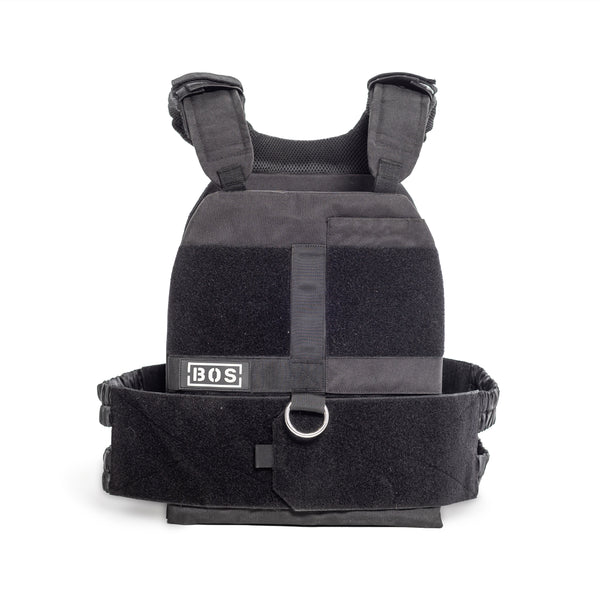
The Bells of Steel Weighted Vest and Plates packs that extra resistance into something you can store in a closet. Here's how it works, how to set it up, and a handful of ways to put it to work at home or outside.
Why Train With a Weighted Vest
A vest holds the load tight against your torso instead of out in your hands. That makes it a great fit for strength work, conditioning, walking, stairs, and any bodyweight move where dumbbells or a loaded backpack would just get in your way.
The biggest win? Your hands stay free. You move the way you normally would, you can train indoors or out, and you add resistance without clearing space for a big equipment setup.
Loading the Plates and Getting the Fit Right
Start by sliding the plates into their pockets. Seat them all the way down and close the hook-and-loop flaps so nothing shifts once you start moving.
You pick your starting load. Plates come in 5 lb, 7.5 lb, 10 lb, and 20 lb pairs (sold separately from the vest), and the plate pockets hold up to 100 lb / 45.36 kg. The empty vest weighs 3.05 lb / 1.38 kg, so the plates do nearly all the work.
Next, adjust the straps until the vest hugs your torso. You want it snug enough that it doesn't bounce, but loose enough that you can still take a full breath. The shoulder straps give you five length settings, so you can dial it in.
Before your first real set, knock out a few practice reps to check the fit. The moves look simple, but the extra weight makes them a lot tougher than you'd expect. Start slow, go lighter if you need to, and keep every rep controlled.
Weighted Push-Ups
Adding the vest to push-ups is one of the easiest ways to hit your chest, shoulders, and triceps harder without a barbell or dumbbells.
Set your hands where you normally would, brace your midsection, and lower yourself under control. Do your hips start to sag, or does your range of motion shrink? Drop the load, or switch to an incline push-up until you've built up to it.
Weighted Bodyweight Squats
Since you're not holding anything, you can put all your attention on your stance, your balance, and your squat pattern.
Keep your chest steady, stay balanced across your whole foot, and only squat as deep as you can control. Going for higher reps? Use a lighter load. Want slower, strength-focused sets? Go heavier, as long as your form doesn't change.
Reverse Lunges
Reverse lunges work each leg on its own, and they ask a lot of your balance and core too.
Step back far enough that you feel stable, lower under control, then drive through your front foot to stand back up. If balance is what's holding you back, cut the weight before you let the quality of the rep slip.
Step-Ups, Stairs, and Loaded Walks
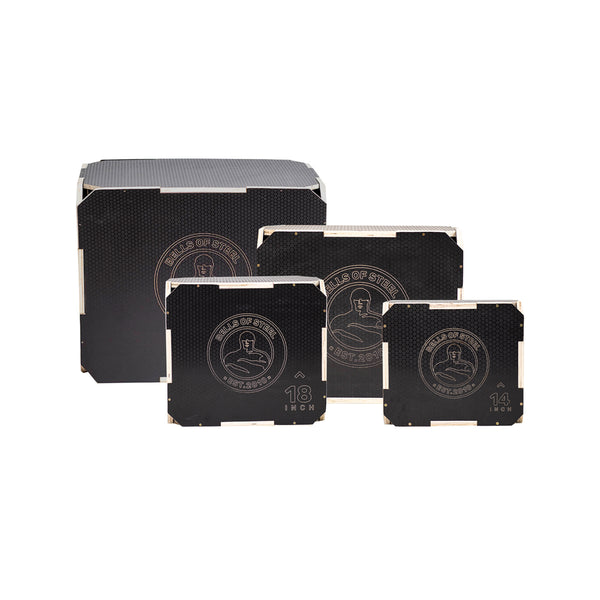
When you want conditioning, reach for step-ups, a flight of stairs, or a loaded walk. They're simple moves, but the vest makes them way harder. A sturdy plyo box works well for step-ups.
Walking with the vest is probably the easiest way to get started. Use it for short conditioning intervals, incline work on a treadmill, an outdoor walk, or as one station in a full-body circuit.
A Simple Full-Body Weighted Vest Circuit
Ready to string it all together? Try this:
- 8 push-ups
- 12 squats
- 8 reverse lunges per side
- 30 seconds of step-ups
Rest as long as you need, then repeat for two or three rounds. Treat it as a starting point and tweak the reps, time, and rest to suit you.
You also don't need to add weight every session. If your form starts to change, your breathing gets away from you, or the vest starts to shift, lighten the load and build back up gradually.
Features That Make It Easy to Use Every Day
The vest works especially well if you train at home, you're short on space, or you want one piece of kit that covers both strength and conditioning. Beyond the plate options, it's built for regular use:
- Adjustable fit with padded shoulder straps and raised padding inside for better airflow
- A chest phone holder, so your playlist rides along without weighing down your pocket
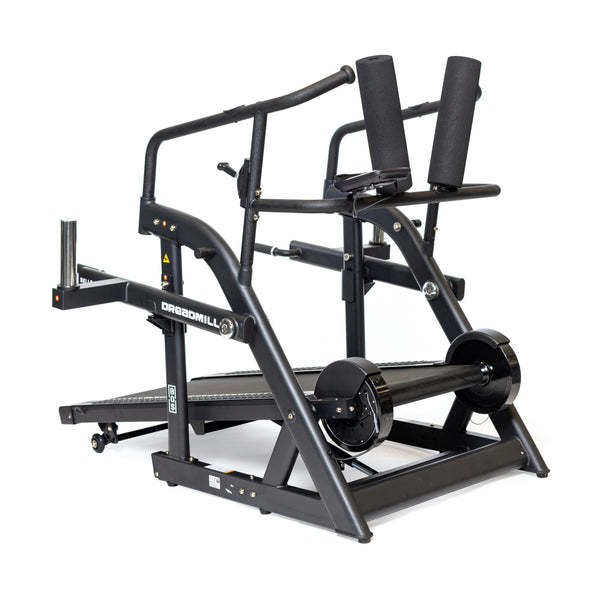
- Front and back rings that clip to compatible attachments like sled-pull gear or the Dreadmill, rated to 352.74 lb / 160 kg
- 600D polyester oxford outer with foam, polyester, and mesh inside
- Warranty: 1 year on the vest, limited lifetime on the plates
Adjustable Resistance Without the Big Setup
Push-ups, squats, lunges, step-ups, loaded walks, or a full circuit in the living room: the payoff stays the same. You get resistance you can scale up or down, and it fits in a small space.
If you want a compact way to make your bodyweight training harder, the Bells of Steel Weighted Vest and Plates gives you plenty of room to grow. Have questions about which plate pairs to start with? The B.o.S. support team can help you figure it out.