The deadlift is one of the best lifts for building total-body strength, but a straight barbell can make it tricky to learn. That is where the open trap bar comes in.
It keeps the weight in line with your body, takes the guesswork out of the hinge, and works just as well for a brand-new lifter as it does for a seasoned one. Here is how to run through it step by step, plus a few variations to keep your training fresh.
Why the Open Trap Bar Deserves a Spot in Your Gym
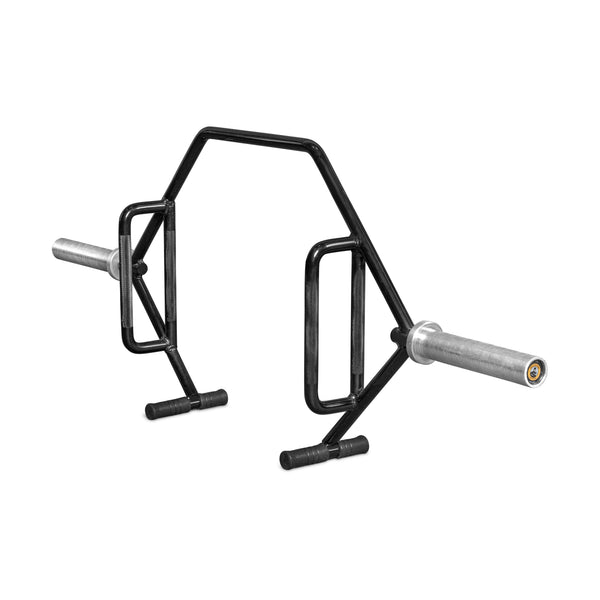
The open trap bar earns its keep for a few simple reasons, and space efficiency is the first one.
It is compact and stays out of the way, so it fits a home gym without eating your whole floor. Because you stand inside the bar, the load sits in line with your center of mass instead of out in front, which makes the hinge easier to feel and far kinder to your lower back while you learn.
A few more perks worth knowing:
- Two handle options so you can adjust the height to match your mobility and go as deep as you want.
- A built-in jack that lets you load and unload plates without wrestling the bar off the floor.
- Room to progress to heavier lifts as your strength climbs.
Trap Bar vs. Straight Barbell for Deadlifts
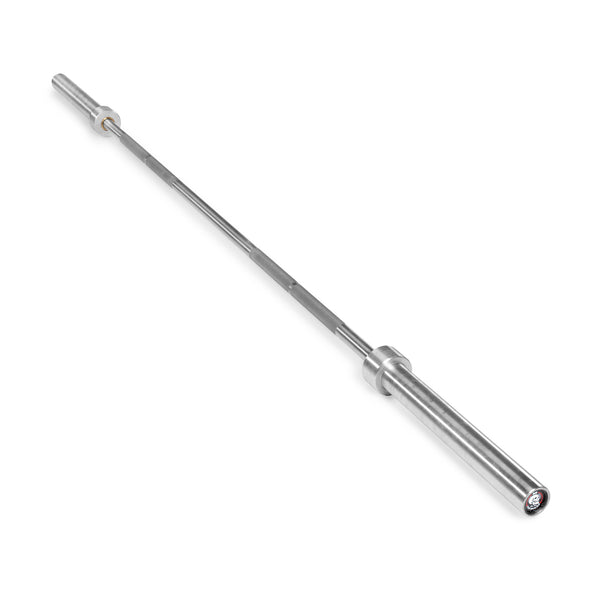
Run a few reps with a straight bar and you will notice the load sits in front of your body, which creates a longer moment arm.
That extra distance lets your back take over the lift instead of your glutes and hamstrings doing the heavy work. A conventional deadlift bar has its place, but for learning the pattern it asks a lot of your lower back.
The open trap bar sits a little higher and keeps the weight evenly distributed around you. If your hips are on the tight side, you do not have to fold all the way down to reach it, and the movement just feels more natural.
Setting Up Your Stance and Grip
Start by stepping into the middle of the bar so your shins line up with the center, right where the handles sit.
Set your feet about shoulder width with your toes turned out slightly. From there, push your shoulders back and bend your knees until your hands reach the handles. Keep your hips lower than your shoulders and resist the urge to shoot them up too early.
To lock your upper body in, engage your lats by imagining you are turning the pits of your arms forward. That small cue builds tension and sets your shoulders in the right spot. Finish by keeping your head neutral so there is one straight line running from the back of your skull down your spine.
Locking In Before the Lift
Tension is what keeps a deadlift safe, so take a big breath into your belly and brace your core before you move.
Picture pushing the floor away from you to fire up your glutes and hamstrings. As you stand, keep your back straight and do not throw your hips forward at the top. The bar comes up in a clean, controlled line.
Lowering the Bar Back Down
Coming down is a hinge, not a squat, so send your hips back first.
Push them back until you physically cannot go any further and your hands pass roughly below your knees, then bend your knees to finish the rep on the floor. Keep your hips traveling back and your back flat the whole way down, and you will feel it in all the right places.
Dead Stop vs. Touch and Go
Newer lifters do well with a dead stop deadlift. That means the bar rests fully on the ground between reps while you take a second to reset your lats.
It is a great way to get comfortable with the pattern and control every rep. Once the movement feels natural, you can switch to a touch and go deadlift, which moves faster with less pause at the bottom. Keep your arms locked out and your body tight so no rep gets sloppy.
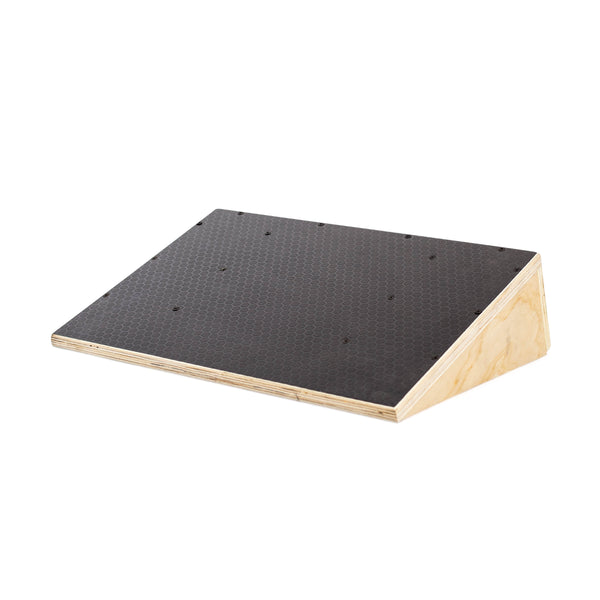
Still cannot quite reach the handles because of tight hips or ankles? Slide a squat wedge board under your heels to raise the floor to you. You get your full range of motion while still loading up your hamstrings and glutes.
Level Up With RDLs and Lunges
Once the standard lift feels solid, the same bar opens up two great variations.
For a Romanian deadlift, keep the bar off the ground and hinge your hips back just until you feel a stretch in your hamstrings. The bar never touches down. Drive your hips forward to stand tall, but not so far that you overextend your back.
The forward lunge is where the open design really shines. Because the frame is open, you can step all the way through, something a fully closed trap bar will not allow. Set up like a deadlift, keep your chest tall, step one foot forward with your knee tracking over your ankle, drive through the front heel, and alternate sides. No barbell rolling off your back and no dumbbells tipping you forward, just a balanced load you can actually control.
Ready to Start Lifting
The open trap bar makes the deadlift approachable without watering it down, and it grows right alongside you as you add weight plates and chase bigger numbers.
Dial in your setup, brace hard, and hinge with intent. Then let the gains begin.