Short answer: you can make a real home gym work in about 6×6 feet, but most people are a lot happier with 8×8 to 10×10 feet. What matters more than square footage is ceiling height, room to move, and choosing equipment that doesn’t hog space like it’s paying rent.
If you can move freely and train safely, you’ve got enough room. Let’s dig in a little deeper.
Why This Question Matters
People ask this because space feels like the dealbreaker. Apartments are small. Garages are full. Basements have ceilings that seem suspiciously low once you pick up a barbell. And if you’ve spent any time online, it’s easy to think a home gym only counts if it looks like a commercial facility.
Here’s the reality: most people don’t need more space. They need permission to start where they are.
The confusion usually comes from thinking strength training needs a ton of room, trying to plan a perfect future gym instead of a practical current one, and underestimating how flexible modern home gym setups can be.
What Actually Matters vs. What’s Optional
What Actually Matters
This is the stuff that actually affects whether your gym works or just looks nice in photos.
You need enough room to move through lifts, not just stand still. Squats, hinges, presses, and walkouts all take more space than people expect.
Ceiling height matters more than people think. It quietly decides whether overhead presses and pull-ups are on the menu.
You need clearance for the barbell. A rack fitting in the room doesn’t help if you can’t load plates or step back safely, or if one misstep puts a barbell through the wall (speaking from experience… sorry, honey!)
And maybe most importantly, you need to feel safe and unrushed. If every rep feels like a near-miss, you won’t enjoy training—and that matters.
What’s Optional
Nice to have, not required: You don’t need multiple cardio machines, a full dumbbell set (though I’m a big fan of the adjustable dumbbells), or separate stations for every lift. You also don’t need mirrors everywhere unless you really enjoy making eye contact with yourself mid-squat. Which, ok, no judgment.
You’re building a training space, not a showroom.
Common Home Gym Space Mistakes
Measuring Only the Equipment Footprint
A rack might technically fit, but once you add a barbell, plates, and an actual human moving around, things get tight fast. Always measure for how you’ll move, not just where the equipment sits. Make sure you’re accounting for set-up as well. Your rack might just fit, but you likely won’t be able to set it up on the ground and tilt it upright without creating a new skylight.
Forgetting About Vertical Space
Low ceilings are sneaky. They don’t stop you from training, but they do change which exercises make sense. This is why measuring ceiling height early saves a lot of frustration later.
Thinking Small Space Means Small Results
It doesn’t. Strength training is efficient by design. Plenty of strong people train in very small rooms. Your square footage doesn’t care how much you squat.
Buying for a Space You Don’t Have
Buying gear for your “eventual dream gym” often leads to oversized equipment that doesn’t really work right now. Build for the space you’re actually standing in. You can always re-sell and upgrade later.
How Space, Budget, and Goals Change the Answer
If your goal is general strength and health, you can get a lot done with a barbell, plates, and a compact rack or squat stands. Simple works.
If you want to push heavy barbell training, you’ll appreciate extra space for walkouts, safeties, and organized plate storage. That’s where the 10×10 range starts to feel good.
If your budget is tight, smaller spaces actually help. They force you to buy fewer things and choose equipment that does more than one job.
If your space is shared, think vertical storage, foldable racks, and equipment that doesn’t demand permanent floor space.
Home Gym Equipment Recommendations (Value First)
Power Racks, Half Racks, and Squat Stands
These cover squats, presses, benching, and often pull-ups. Compact racks or squat stands with safeties are more than enough for most lifters and don’t overwhelm smaller rooms.
All-in-One Trainers
These combine barbells, cables, guided lifting, and pull-ups into a single footprint. They’re a solid option if you want maximum exercise variety in limited space, especially for shared gyms or lifters who like mixing free weights and cables without filling the room with separate machines.
Barbells and Plates
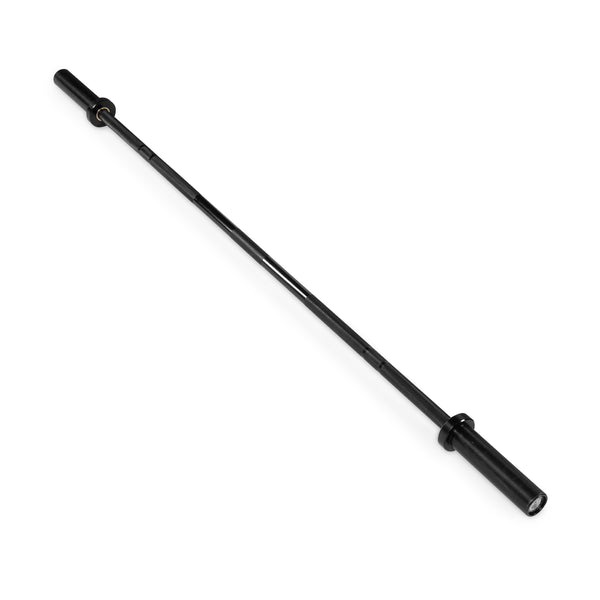
A barbell is still the most space-efficient way to train your whole body. Shorter barbells are a great option if your room is tight and your walls are close.
Adjustable Benches
One adjustable bench unlocks a ton of training options and takes up surprisingly little space. High value, low drama.
Plate Storage
Vertical storage is your best friend. Plates on the floor are just obstacles you trip over between sets.
Conditioning Tools
Kettlebells, sandbags, jump ropes, and sleds (if you have outdoor space) add conditioning without committing your whole room to one machine.
Bells of Steel builds equipment with real homes in mind—compact, modular, and designed to earn its spot in your gym.
Real-World Home Gym Examples
Apartment or Condo Setup (Around 8×8 Feet)
This usually means low ceilings and tight quarters.
What works well is a short rack or squat stands, a shorter barbell, an adjustable bench, and vertical plate storage. A kettlebell or two goes a long way for conditioning.
What doesn’t work as well are standing overhead presses inside the rack and big single-purpose machines.
You can still squat, deadlift, bench, row, lunge, and get seriously strong here.
One-Car Garage Setup (Around 10×12 Feet)
This is the most common home gym scenario.
A full or half rack with safeties, a standard barbell, an adjustable bench, and smart storage fits comfortably while still leaving room for life stuff. It’s flexible, effective, and easy to grow over time.
Home Gym Space FAQs
Do I Really Need a Full Power Rack?
No. Squat stands, folding racks, or half racks with safeties work great for a lot of people, especially in smaller spaces.
What If I Have Very Limited Space?
Stick to the basics. Barbell, bench, safeties—or even just kettlebells and adjustable dumbbells. You can still train hard.
What’s the Minimum Space I Can Get Away With?
About 6×6 feet, assuming your ceiling height cooperates. It’s tight, but it works with the right gear.
How Much Ceiling Height Do I Need?
Around 8 feet covers most lifts except standing overhead presses and pull ups. Nine feet or more makes life easier, but it’s not mandatory.
Can I Build a Home Gym in a Shared Space?
Absolutely. Foldable racks and vertical storage make shared spaces very workable.
Should I Wait Until I Have More Space?
Nope. Waiting is the one setup that guarantees zero progress.
Bottom Line
You don’t need a huge room to build a strong, effective home gym. You need clear priorities, smart equipment choices, and enough space to move without apologizing to your walls.
Start small. Train consistently. Build as you go.
Your gym doesn’t need to be big. It just needs to exist—and get used.