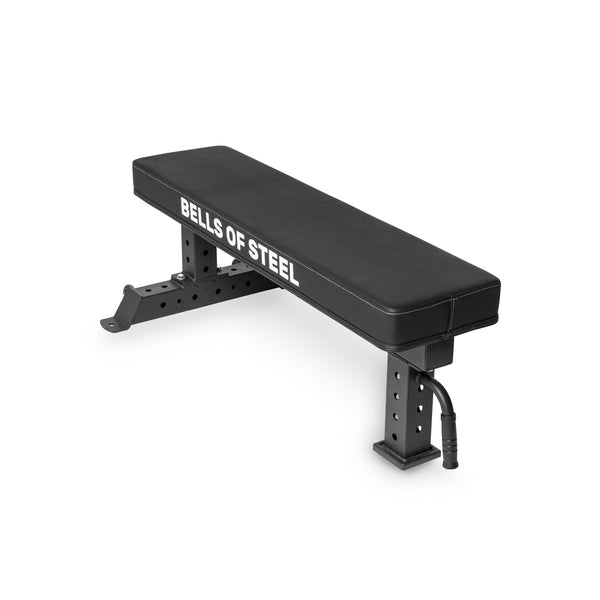
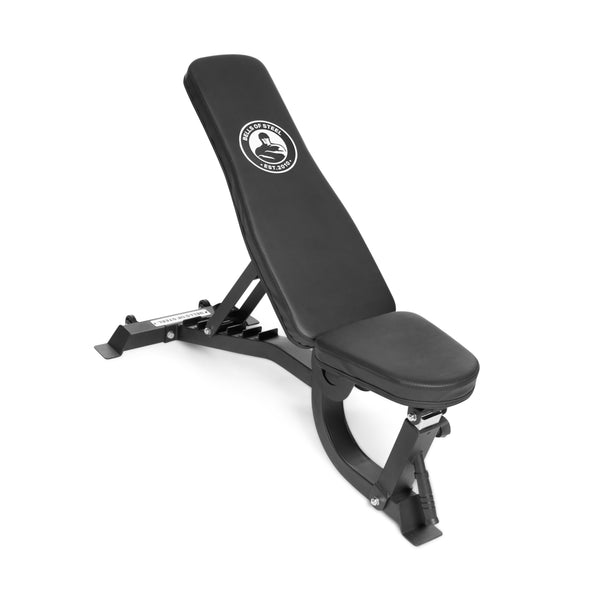
A bench might be the most underestimated piece in any home gym. It's not flashy, but it's the foundation of every press, row, and supported lift. When a bench fails, it doesn't just ruin a set; it can ruin a shoulder.
Budget benches flood online marketplaces with decent-looking photos and five-star reviews. The problem is that photos do not show durability and most reviews come from people who have never loaded 300 pounds on the bar.
The difference between a cheap bench and a properly built one becomes obvious the moment real weight enters the picture.
We put three popular home gym benches through hands-on testing across five categories: build quality, comfort, versatility, maneuverability, and stability.
One of them failed so badly it raised genuine safety concerns.
Build Quality: What "Feels Light" Really Means
A bench reveals a lot before any weight touches it. Thin metal, loose hardware, and wobbly adjustments are not quirks. They are warnings.
A popular budget bench from Amazon checked several of those boxes right away. The frame felt noticeably light, the angle adjustment required removing a small pin (not exactly smooth mid-workout), and the front foot design made pressing stance awkward. Build quality rating: 3 out of 10.
The Adjustable Utility Bench told a different story. Thicker steel, a wider seat, and a sturdier overall frame gave it a more confidence-building feel from the start. Rating: 7.5 out of 10.
The Buzz-Saw Heavy-Duty Adjustable Bench took it further. Heavier construction, a wider base, and holes for floor anchoring made it clear this bench was built for lifters who do not plan on going easy. Rating: 9 out of 10.
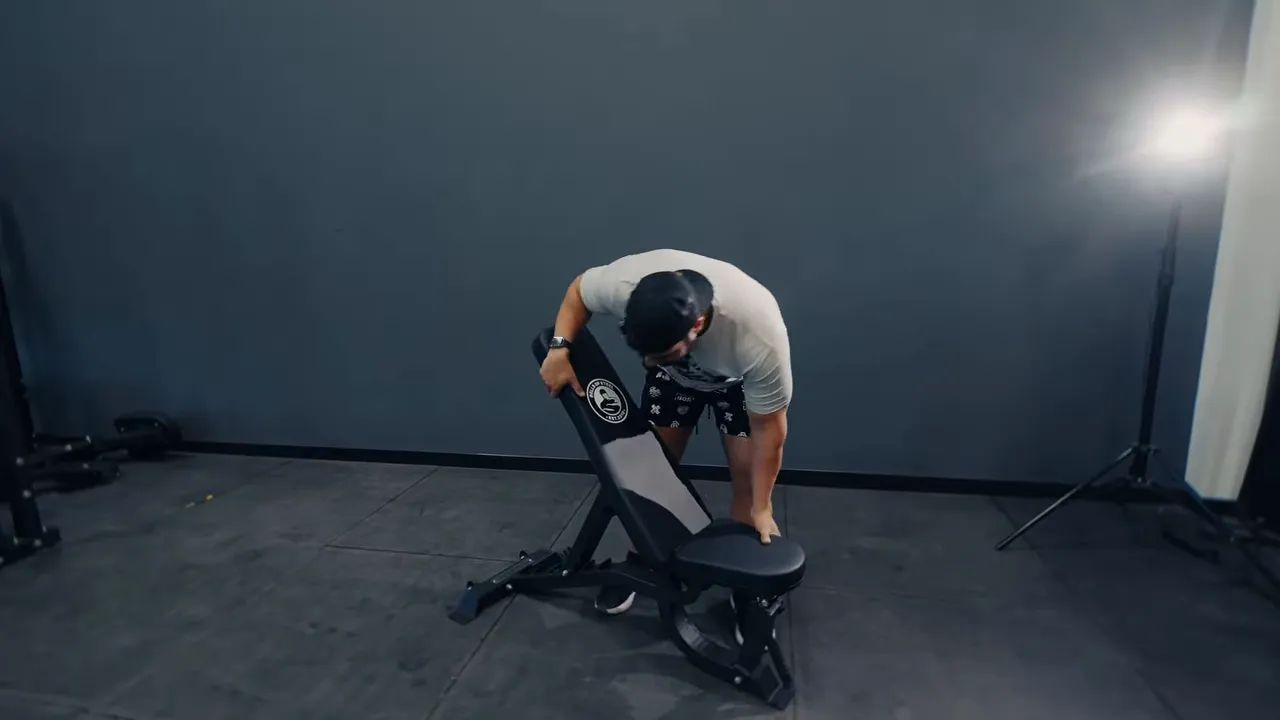
Comfort and Grip: Staying Put Under Pressure
Comfort on a gym bench has nothing to do with softness. It is about whether the body stays locked in during a heavy set or starts sliding around like a bar of soap on a wet floor and if you feel metal digging into your back when the bar is loaded.
The Amazon bench struggled here. Thin padding, a slippery surface, and limited head support made it harder to brace properly. Rating: 3 out of 10.
The Adjustable Utility Bench improved things with a wider pad, grippier material, and higher-quality stitching that holds up over time. The extra width keeps shoulder blades planted during pressing. Rating: 7 out of 10.
The Buzz-Saw Heavy-Duty Adjustable Bench offered full head support even for taller lifters and solid contact across the entire pad. Rating: 7.5 out of 10.
Comfort preferences vary by body type, but more stable contact points generally mean better control.
Versatility: Turning One Bench Into a Full Station
A bench that only does flat and incline leaves potential on the table, especially in a home gym where every piece needs to earn its floor space.
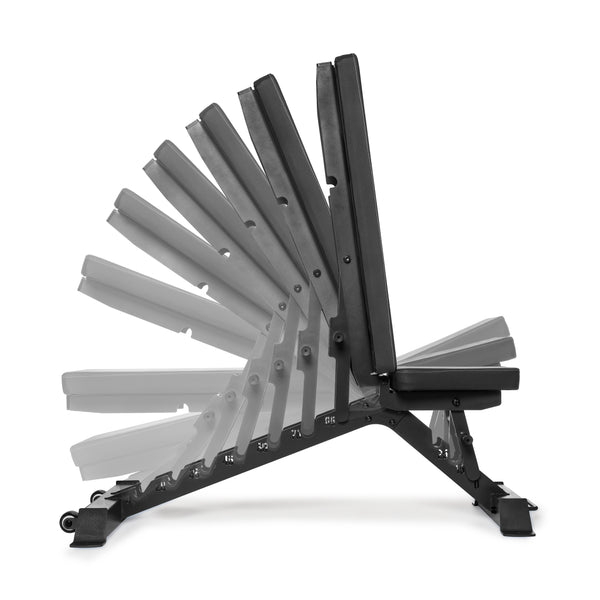
The Amazon bench made even basic angle changes a chore. The pin system required precision that nobody has while catching their breath between sets. Rating: 2 out of 10.
The Adjustable Utility Bench handled multiple positions smoothly and scored 7 out of 10. It leans more toward being an unshakable pressing platform than an attachment hub, but it still covers solid ground.
The Buzz Saw Bench scored 9.5 out of 10 here, and for good reason. Quick angle changes plus support for leg extensions, leg curls, and a preacher curl attachment turn it into a legitimate training station. That kind of flexibility from a single bench saves both money and space.
Maneuverability: Moving Day, Every Day
Most home gyms share space with cars, laundry, or family activities. A bench that cannot move easily becomes a permanent obstacle.
The Amazon bench scored a 9 out of 10. Turns out, "lightweight" and "easy to move" are not always the same thing.
The Adjustable Utility Bench landed around 6 out of 10, it also has wheel which makes relocating easier but because of the design - grabbing it in certain spots causes the adjustment mechanism to shift.
The Buzz Saw Bench, being the heaviest and most stable, scored 4 out of 10 for maneuverability. The wheels and a built-in handle make relocating easy but it is still heavy so its kind of challenging to move around.
Stability Under Load: When Weight Stress Becomes Real
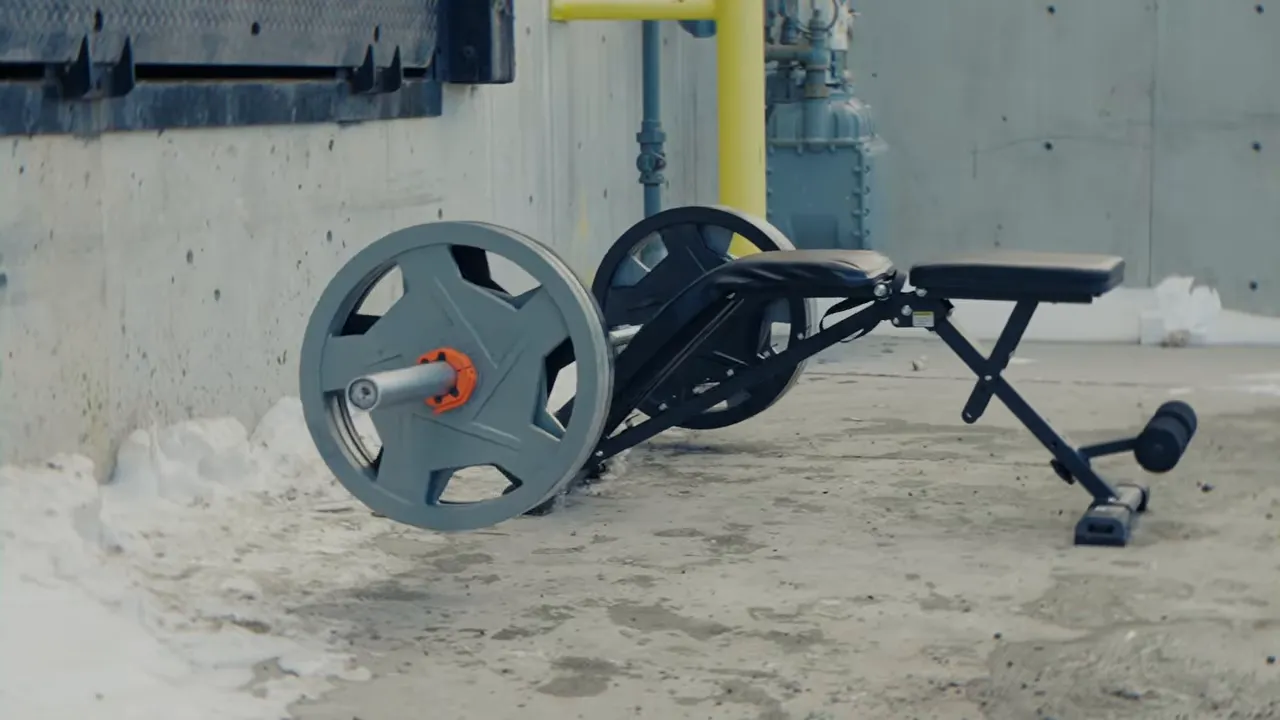
This is where bench quality becomes a safety conversation.
A tip-over test measured how much force each bench needed before it started tipping.
The Amazon bench began tipping at just 14.2 pounds of force.
The Adjustable Utility Bench held until 33.3 pounds.
The Buzz Saw Bench did not budge until 95 pounds, nearly seven times the Amazon bench option.
A movement test using incline push-ups and step-ups with a water glass on the edge showed similar results.
The Amazon bench wobbled enough to splash water during step-ups. The other two stayed composed.
At 315 pounds, the Amazon bench failed immediately on a drop test. The damage was obvious and structural.
The Adjustable Utility Bench absorbed a 350-pound drop, took only cosmetic foam damage, and remained usable right after.
The Buzz-Saw Heavy-Duty Adjustable Bench handled 315 pounds far better than the budget option, though it showed stress at its weakest point.
A bench that breaks in a controlled test is a bench that has no business under a loaded barbell.
How to Choose Without Second-Guessing
When comparing benches, skip the spec sheets and focus on what actually shows up during training:
- Metal thickness and frame weight: heavier usually means more structural material
- Adjustment system: if it is awkward empty, it will be worse under fatigue
- Pad width and grip: wider contact and grippier material keep the body locked in
- Base width and anchoring options: wider bases resist tipping; floor anchoring adds another level
- Real movement stability: test with dynamic exercises, not just sitting on it
Final Thoughts
The right bench earns trust through construction, not marketing. For lifters who want the strongest balance of comfort, versatility, and value, the Adjustable Utility Bench covers the most ground.
For those chasing maximum stability and a locked-in feel for heavier pressing, the Buzz-Saw Heavy-Duty Adjustable Bench delivers exactly that.
When a bench holds up under pressure, it supports every rep. When it fails, it puts everything at risk.
Choose wisely, and your bench will become one of the most reliable tools in your gym.